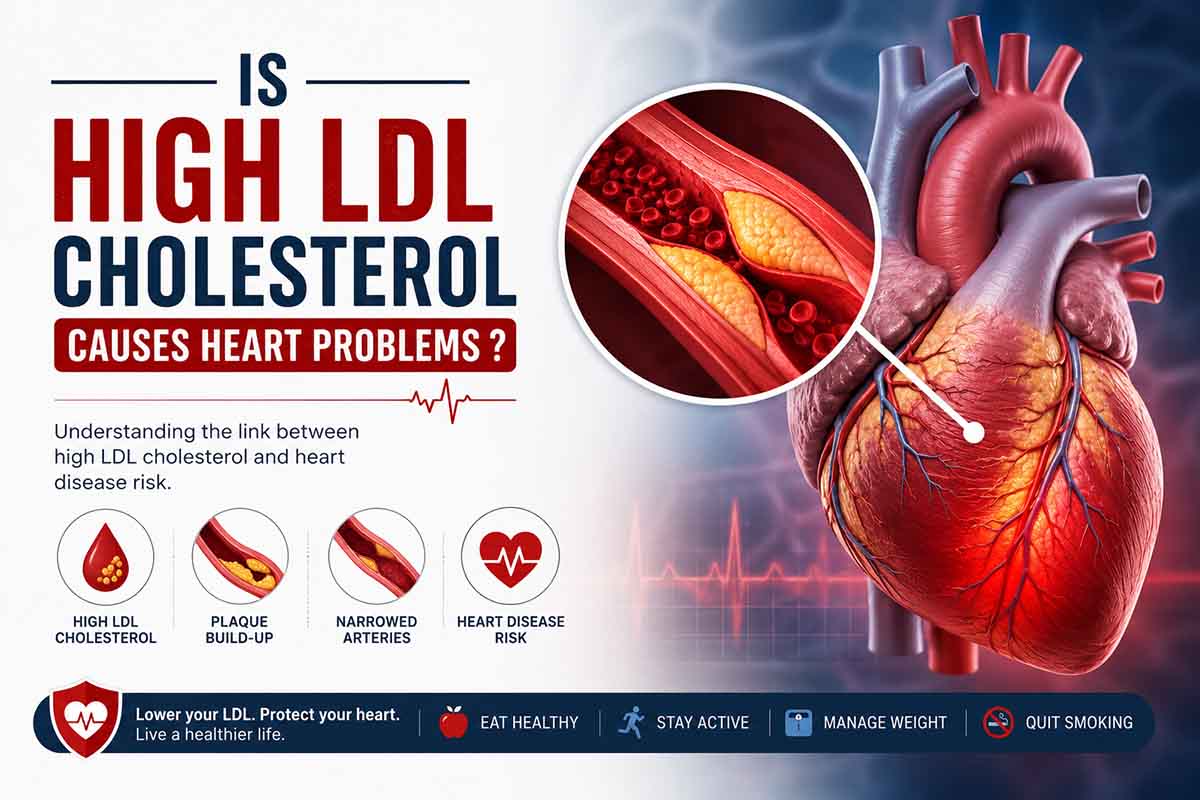
Is High LDL Cholesterol Causes Heart Problems?
High LDL cholesterol is one of the leading risk factors for heart disease worldwide. Often referred to as "bad cholesterol," LDL (Low-Density Lipoprotein) cholesterol can silently build up inside your arteries over time, increasing the risk of serious cardiovascular complications. Understanding the connection between high LDL cholesterol and heart health is essential for preventing heart attacks, strokes, and other heart-related conditions.
What Is LDL Cholesterol?
Cholesterol is a waxy substance found in your blood that is necessary for building healthy cells and producing hormones. However, not all cholesterol is the same. LDL cholesterol carries cholesterol from the liver to different parts of the body. When LDL levels become too high, excess cholesterol can accumulate on the walls of blood vessels.
This buildup forms fatty deposits known as plaque, which gradually narrow and harden the arteries. This condition is called atherosclerosis, a major cause of heart disease.
How Does High LDL Cholesterol Affect the Heart?
When LDL cholesterol levels remain elevated for a long time, plaque continues to grow inside the arteries. As the arteries become narrower, blood flow to the heart muscle is reduced. This can lead to several cardiovascular problems, including:
1. Coronary Artery Disease
Plaque buildup in the coronary arteries restricts blood flow to the heart. This may cause chest pain, shortness of breath, and reduced physical stamina.
2. Heart Attack
If a plaque ruptures, a blood clot can form and completely block blood flow to the heart. This can result in a heart attack, which requires immediate attention.
3. Stroke
High LDL cholesterol can also affect arteries supplying blood to the brain. A blockage in these arteries may cause a stroke.
4. Peripheral Artery Disease
Reduced blood flow to the legs and arms due to cholesterol buildup can lead to pain, numbness, and circulation problems.
What Are Healthy LDL Cholesterol Levels?
Generally, LDL cholesterol levels are categorized as:
- Optimal: Less than 100 mg/dL
- Near Optimal: 100–129 mg/dL
- Borderline High: 130–159 mg/dL
- High: 160–189 mg/dL
- Very High: 190 mg/dL and above
People with diabetes, heart disease, or multiple risk factors may require even lower LDL targets.
How to Lower LDL Cholesterol Naturally
Managing LDL cholesterol can significantly reduce the risk of heart disease. Effective strategies include:
- Following a heart-healthy diet rich in fruits, vegetables, whole grains, and lean proteins
- Limiting saturated fats and trans fats
- Exercising regularly for at least 150 minutes per week
- Maintaining a healthy body weight
- Quitting smoking
- Managing diabetes and high blood pressure
- Taking cholesterol-lowering medications when prescribed by a cardiologist
Yes, high LDL cholesterol can cause serious heart problems by contributing to plaque buildup in the arteries. Since high cholesterol often has no symptoms, regular health checkups and lipid profile testing are crucial. Early detection and proper management can help protect your heart, improve overall cardiovascular health, and reduce the risk of life-threatening complications.